You know what doesn’t get enough credit in fiction? The weather. And I don’t mean that one liner your English teacher loved about “pathetic fallacy.” I mean real, visceral, mood soaked weather. Storms that mirror inner turmoil. First snows that crack open something tender. Oppressive heat waves that bring characters to their boiling point. Fictional worlds live and breathe on more than dialogue. They move with the seasons, and a well placed gust of wind can hit harder than a punch.
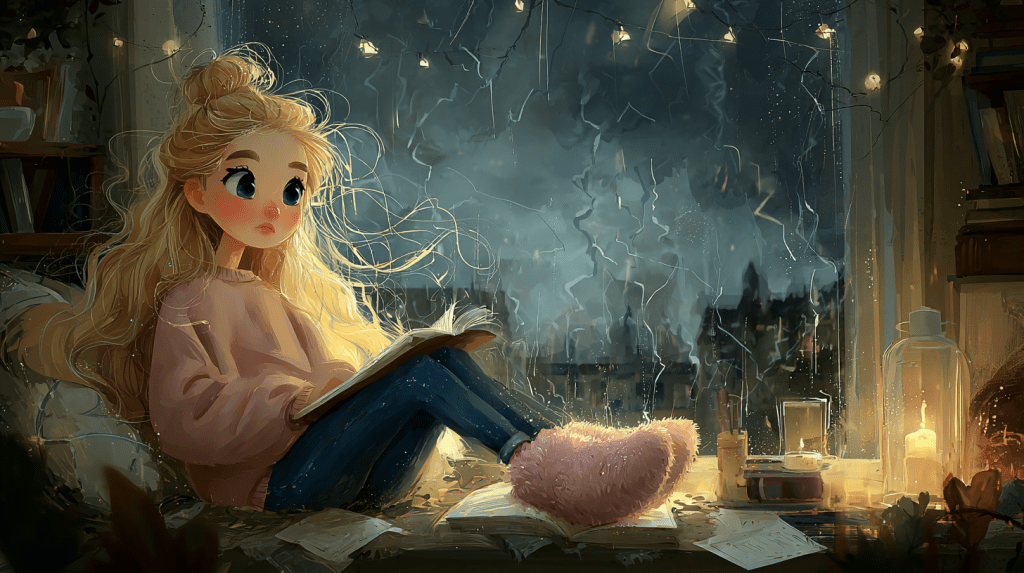
Let’s be honest, some of the most memorable scenes in books are wrapped in a specific feel. Think rain hammering the roof during a heartbreak. Sun drenched fields on the first day of freedom. The hush of snowfall that makes everything seem just a little more magical or dangerous. Weather, when used well, is more than atmosphere, it’s tone with teeth.
And let’s not forget the seasons. They aren’t just calendar filler, they’re emotional arcs:
- Spring breathes new life, hope and possibility.
- Summer simmers with tension or basks in youthful freedom.
- Autumn is ripe with nostalgia and foreboding, the scent of endings in every leaf.
- Winter? Oh, she’s dramatic, harsh truths, death, stillness, or that final, aching peace before the thaw.
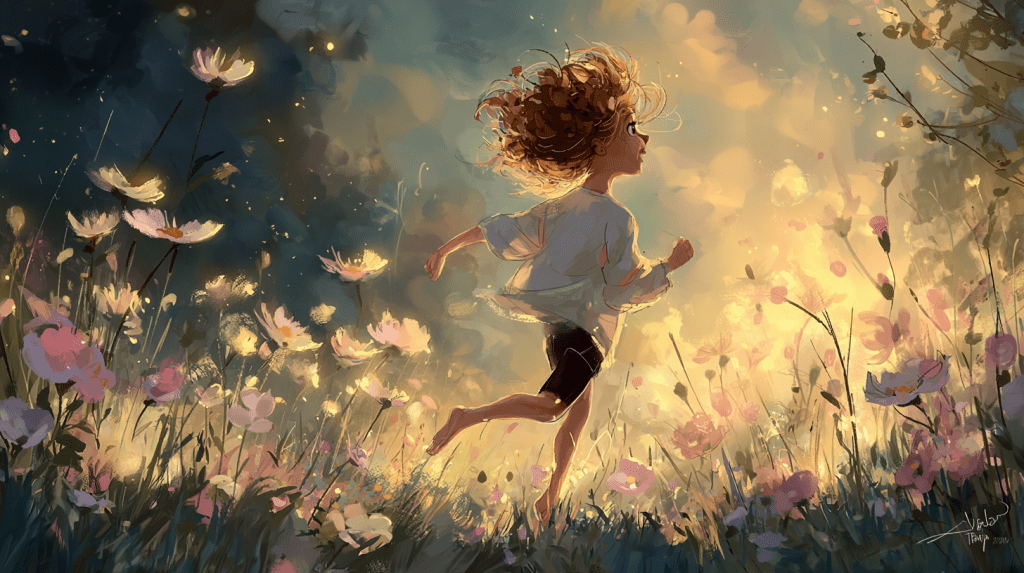
When you sync your characters’ journeys with the natural rhythms around them, your world gains gravity. Is your protagonist grappling with loss? Set it in the brittle quiet of late autumn. Are they being reborn? Let spring crackle at their heels. Trying to show isolation? Trap them in a snowstorm or a dusty drought. Bonus: it keeps your pacing honest. You can’t skip over an emotional beat when a thunderstorm is sitting right there, daring you to dig deeper.
Weather also grounds your reader. Whether you’re writing fantasy kingdoms or contemporary suburbs, everyone knows what it feels like to be caught in the rain or to melt in July heat. It’s a sensory shortcut to immersion. Add a character wiping sweat from their brow or curling deeper under their blanket, and suddenly the reader’s there, no teleportation spell needed.

So don’t treat the sky like set dressing. Make it a character. Let the wind whisper secrets, let the sun burn too bright, let the frost bite back. Trust me, your story will breathe a little deeper for it.
What’s your favorite way to use weather or seasons in your writing?
What’s your favorite way to use weather or seasons in your writing? Drop your best atmospheric trick in the comments—bonus points if it involves heartbreak in the rain or a sun drenched kiss!
 The Worlds of RG Newhouse