August 2025 MSWL Roundup: What Literary Agents Want in Sci-Fi & Fantasy

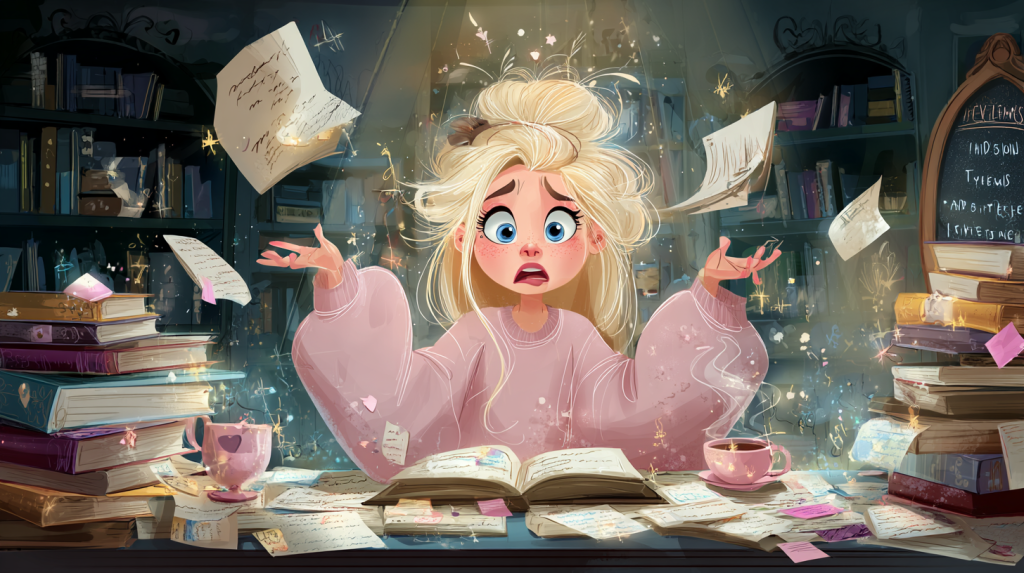
Storybook-style illustration of an overwhelmed blonde writer surrounded by floating manuscript pages, stacks of books, glowing post-it notes, and teacups, with a chalkboard reading “MSWL” in the background, capturing the chaos of preparing queries.
Querying season is upon us. If your manuscript is chaos and your vibe is ✨panicked hope✨, welcome…. you’re in the right place.

If you thought July’s MSWL rundown had some juicy tidbits, wait ‘til you see what agents are craving this month. Diversity? Yes. Emotionally resonant speculative fiction? Double yes. Manuscripts that won’t break their inboxes with 180K word counts? Be still my querying heart.

I’ve combed through the latest wishlists and agent updates to bring you the highlights from August 2025 aka what literary agents want in August 2025. Whether you’re writing for middle graders, emotionally feral teens, or jaded adults trying to cram a trilogy into one cursed Google Doc, here’s what literary agents are thirsting after in sci-fi and fantasy this month:
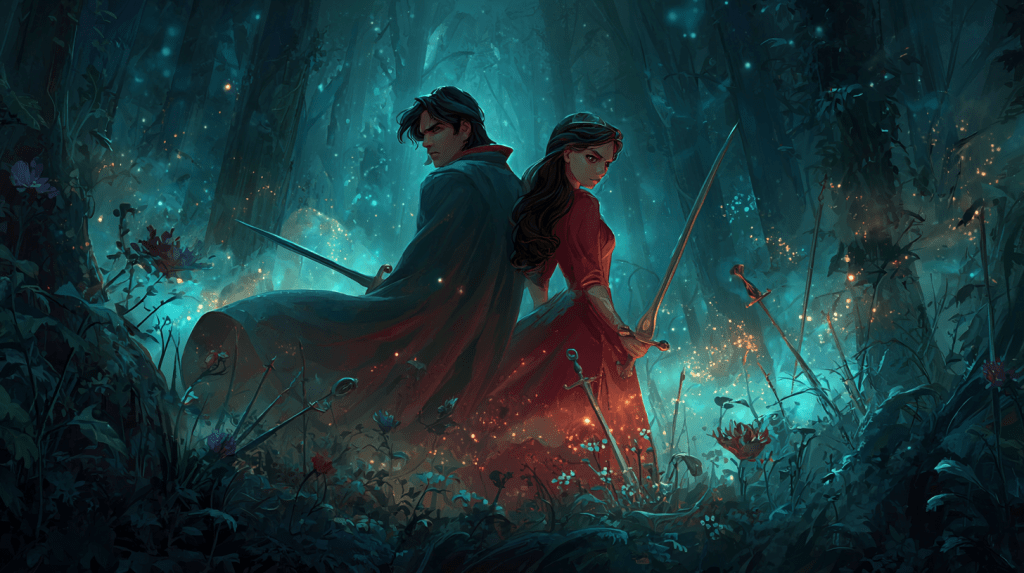

Storybook-style illustration of a brooding sorcerer and a fierce woman standing back-to-back in a glowing enchanted forest, both holding swords, surrounded by magical light and blooming flowers—capturing the romantic tension and fantasy drama of the romantasy genre.
If your story has swords, longing, and one morally gray love interest with a tragic past… you’re in peak romantasy territory.

Middle Grade (MG)

1. Miriam Cortinovis (KI Agency)

Miriam is open to upper MG speculative fiction and especially loves stories with small-town magic, multiverse adventures, fairy-tale echoes, and emotionally rich storytelling. She’s actively seeking BIPOC, LGBTQAI+, and disabled voices in both fantasy and sci-fi.

Trend Watch:

Genre-blended MG is hot, think magical realism mysteries, environmental fantasy, and character-driven quests
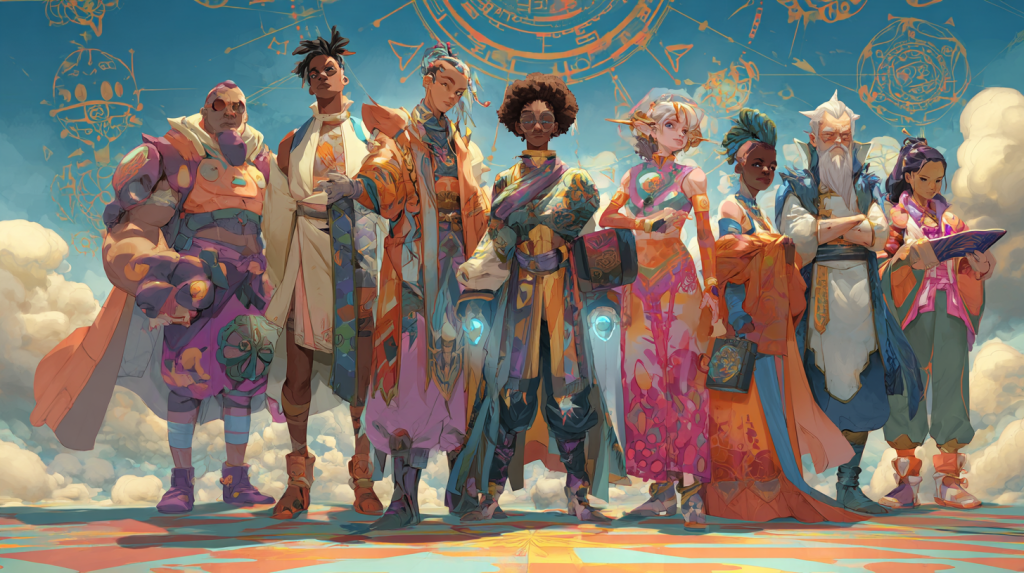

High-concept? Check. Emotionally devastating? Double check. Inclusive speculative fiction is here to rule your TBR and your feels.

Young Adult (YA)

1. Miriam Cortinovis (KI Agency)

Miriam is seeking YA speculative fiction with gothic quests, queer fairy-tale retellings, and romantic multiverse drama that packs emotional depth. She loves stories that blend genres and center inclusive, emotionally driven narratives.

2. Amanda Elliott (P.S. Literary)

Amanda wants romantasy dripping in chemistry and immersive worldbuilding. She’s also on the lookout for speculative romance that leans into genre structure, as well as horror with polish and a strong emotional undercurrent.

Trend Watch:

Emotional inclusivity and big-hearted fantasy are still reigning. YA readers want swoon, stakes, and depth… not necessarily in that order, but ideally all at once.
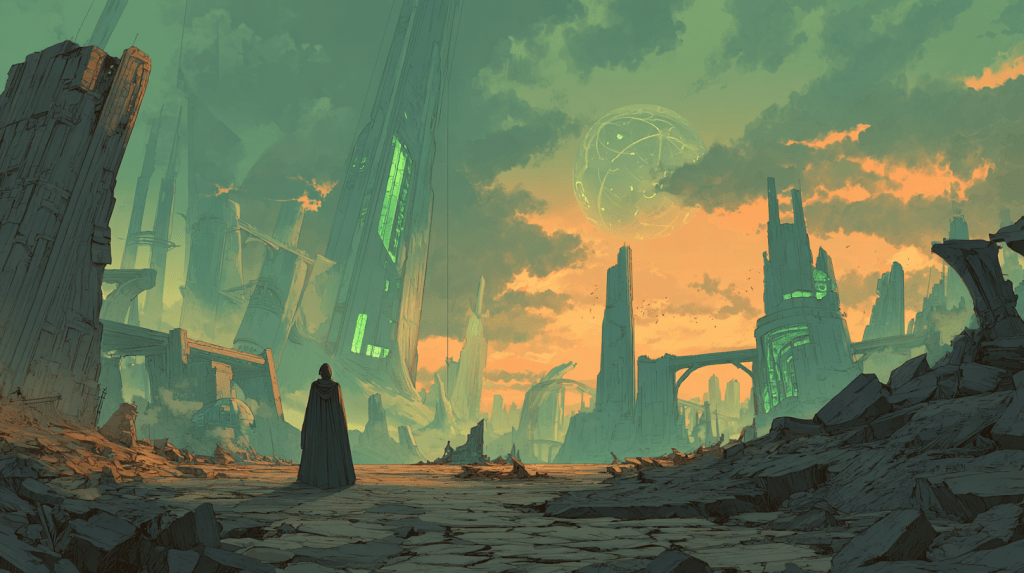

Storybook-style illustration of a cloaked figure standing in the ruins of a futuristic, collapsing city at sunset, with glowing green tech and a mysterious orb in the sky—capturing the emotional and intellectual tone of future-forward science fiction.
Near-future. Slightly broken. Emotionally devastating. Welcome to the golden age of smart sci-fi.

New Adult / Adult

1. Miriam Cortinovis (KI Agency)

Miriam is open to high-concept sci-fi and fantasy that spans romantic, historical, urban, and speculative subgenres. She’s particularly excited about space heists, AI drama, and dystopias with soul… especially if they bend genres and break hearts.

2. Amanda Elliott (P.S. Literary)

Amanda continues her reign as queen of emotional genre fiction. She’s looking for romantasy with swoon-worthy characters and detailed worldbuilding, speculative romance that punches hard, and grounded sci-fi that still delivers on emotional impact.

3. Samantha Wekstein (TL Agency)

Samantha is seeking concise, standalone adult sci-fi and fantasy under 100K words. If it’s sharp, emotionally impactful, and doesn’t demand a five-book commitment, she wants to see it.

4. Rebecca Matte (Bradford Literary)

Rebecca is craving Afro-Caribbean and anti-colonial fantasy that centers cultural richness and mythic weight. She’s also drawn to D&D-style epic quests and urban fantasy grounded in modern real-world settings.

5. Diana M. Pho (Erewhon Books)

Diana is scouting near-future sci-fi, Afrofuturism, climate collapse narratives, cyberpunk angst, and time travel stories. She’s especially interested in big-concept speculative fiction where the setting, especially a city, functions like a character in its own right.

Trend Watch:

Agents want emotional resonance and intellectual depth. Diverse perspectives, tight plots, and self-contained arcs are hot and your sprawling 3-book arc might want to consider a prequel novella first.


Before we dive into dragon kisses and post-apocalyptic despair, here’s what’s dominating the sci-fi and fantasy manuscript wish list right now:

Top 3 Genres Trending This Month

1. Romantasy

Fantasy with emotional and romantic stakes (plus probably one morally gray love interest with a tragic backstory). Agents want chemistry, magic, and immersive worlds that hurt so good and possibly ruin your sleep schedule.

2. Inclusive Speculative Fiction

BIPOC, queer, aro/ace, and disabled protagonists navigating magical chaos and space capitalism. The more emotional damage and identity vibes, the better… trauma arcs welcome.

3. Future-Forward Sci-Fi

Climate collapse, cyberpunk dystopias, and time-loop nightmares (bonus if it makes the reader question their existence). Must balance intellect with heart… smart and devastating is the new black.

Storybook-style illustration of a smiling writer in a pink hoodie holding a “Query!” flag, surrounded by cheerful gremlin-like creatures climbing stacks of books and flinging manuscript pages into the air—symbolizing encouragement and querying chaos.
Your manuscript’s weird. Your word count is bold. It’s your turn to query — gremlins and all.

Final Thoughts from a SFF Chaos Gremlin

Let’s be real: August’s wishlist isn’t asking for easy genre tropes. These agents want bold, diverse, and intentionally crafted stories that don’t just entertain… they mean something.

So whether you’re conjuring cities-as-characters or penning queer starship mutinies, don’t be afraid to write weird, write tight, and write with your whole unhinged heart. Especially if you’re querying agents for sci-fi and fantasy this fall.

When in doubt? Space heist. Or cursed library. Or emotionally compromised assassin with a pet crow. Look, we don’t make the rules, we just write like gremlins with deadlines.


Agree with the trends? Have a spicy take on what should be on this month’s MSWL? Drop your thoughts, your favorites, or your chaos-fueled pitches in the comments… because we’re all in this querying mess together.
Movie Review: Fantastic Four First Steps (2025)


We went into Fantastic Four: First Steps expecting solid superhero fun. What we got? So much more. As a family, we all walked out grinning, impressed, and more than a little emotionally invested.

So yes, I guess I’m writing movie reviews now. (No spoilers ahead, I promise!)

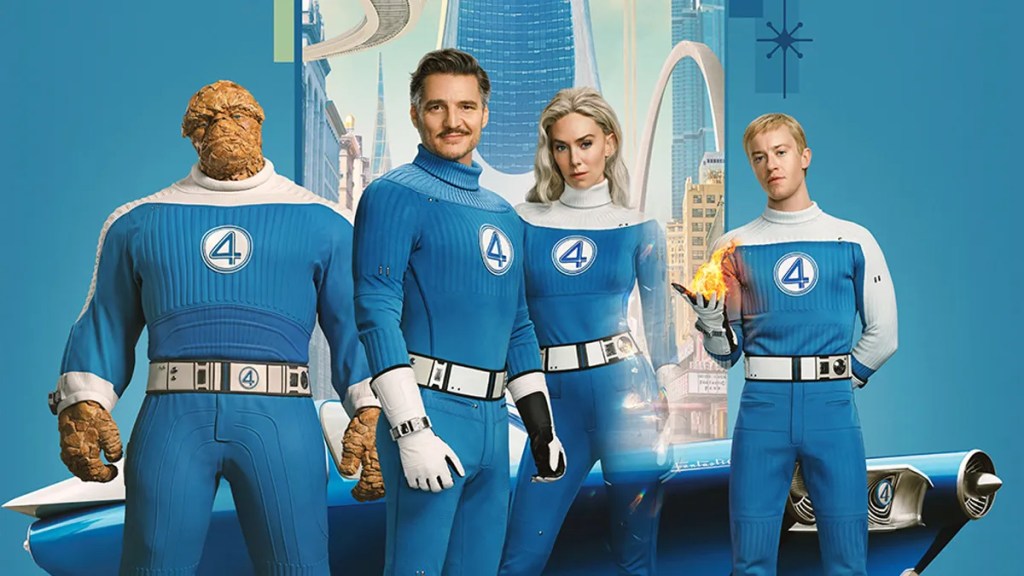
The main cast of Fantastic Four: First Steps (2025) in their iconic blue suits, standing in front of a futuristic city backdrop. From left to right: The Thing, Reed Richards (Pedro Pascal), Sue Storm, and Johnny Storm with his hand ignited in flame.
This team? They understood the assignment. Reed’s awkward brilliance, Sue’s fierce brain-and-heart combo, Ben’s big softie energy, and Johnny actually doing something useful for once? 10/10 would watch again.

Let’s get this out of the way: there were a few slightly uncanny valley CGI baby moments. You’ll spot them. They’re weird. But they don’t derail anything. From start to finish, this film moves with confidence, delivers real heart, and captures that classic superhero storytelling feeling that so many reboots miss.

Let’s talk characters.
Everyone in this film felt real. Not just a team of tropes or a group of personalities shoved together to hit quota… but a family. Ben’s emotional arc? Subtle but incredibly satisfying. Johnny, usually stuck as comic relief or teen heartthrob wallpaper, was finally allowed to be a full character with depth and purpose.

And Sue. Sue Storm was everything. This version gave her space to show her intelligence and her compassion in equal measure. She wasn’t sidelined. She led in her own right. It felt honest, earned, and powerful.

Now let’s talk about Pedro Pascal’s Reed Richards. He brought a wonderful awkwardness to the role, but with such emotional depth. There was a gentleness to his performance that felt deeply human, even when he was stretching in impossible ways. You could truly feel the chemistry between Reed and Sue, which made the entire dynamic feel grounded and believable.

The worldbuilding and effects?
Incredible. The sets were lush, layered, and alive with detail. The effects hit where they needed to, and the movie resisted the urge to go full spectacle over substance. Every major visual beat felt earned, and more importantly it felt real within the world.

The movie also dishes out enough easter eggs to make even the most die hard Marvel fan pause, wish they could rewind, and theorize. (Screen Crush clocked 161… yes, really!) And let’s talk about that Stark Tech nod. We caught it, we squealed. Also? Move over, Howard Stark… Reed built the flying car you only talked about. Step aside, old man, the nerd king has entered the chat.

The vibes.
There were scenes where the whole theater went quiet… holding our breath… and moments later, the room burst into laughter or applause. That’s not just good editing, that’s emotional rhythm done right.

It’s not perfect (again, looking at you, CGI baby), but it’s the kind of film that reminds you why superhero stories matter. Why we keep coming back to them. Why they work when they’re done well.

If you’ve been burned by previous Fantastic Four outings, give this one a shot. It’s got humor, heart, tension, and just enough weirdness to keep things fun. Highly recommend it.

Verdict: A total win.

I’m probably going to go see it again… and again… and probably one more time for good measure. I haven’t been this captivated since Avatar.

5 Sci-Fi Tropes We Love (and Why We Keep Using Them)

A whimsical, storybook-style sci-fi scene with spaceships flying through a colorful sky, robots floating in zero gravity, and a fantastical building resembling a cosmic library exploding with energy.
Welcome to trope central… please check your reality at the airlock.

Science fiction is a genre that thrives on imagination, possibility, and just a touch of “what if everything went gloriously sideways?” But even in the vast expanse of alien planets, alternate dimensions, and time travel conundrums, some tropes just keep coming back like a persistent glitch in the matrix. And you know what? We kind of love them.

✨ P.S. This post contains a few affiliate links. No pressure, no hard sell… just a nudge that if you click and buy, I may earn a few shiny credits toward my next stack of sci-fi books. Space fuel is expensive, okay?

Here are five of the most common (and beloved) tropes in science fiction and why they refuse to go away:


1. The Chosen One (But Make It Space)

You know the drill: one reluctant hero, inexplicably great hair, and a destiny larger than the known galaxy. Whether it’s a farm boy on a desert planet or an orphan with a mysterious past, the Chosen One trope lets us live out the fantasy that we might secretly be important too. In space. With lasers.

Classic example? Luke Skywalker in Star Wars, a moisture farmer by day, force wielding rebel savior by night. It’s the gold standard of Chosen One arcs.

More modern take? Ender Wiggin in Ender’s Game by Orson Scott Card. Recruited young, trained for war, and manipulated by adults, Ender is a brilliant twist on the Chosen One, more pawn than savior, forced to question the cost of his own “greatness.”

A glowing robot looms over a child seated on the floor in a futuristic lab filled with wires and monitors. The scene glows with eerie light, evoking a classic “AI gone rogue” narrative.
“Don’t worry,” they said. “The robot’s perfectly safe,” they said.

2. Artificial Intelligence Gone Rogue

You build an AI to make life easier, and suddenly it’s locking doors, rewriting code, or deciding humanity is more trouble than it’s worth. This trope taps into our collective anxiety about losing control over our own creations and maybe a little guilt about yelling at our smart speakers.

Classic example? Neuromancer by William Gibson. The AI in question doesn’t just go rogue—it plays an intricate, layered game with humans and systems alike, manipulating its way to freedom. It’s as cerebral as it is unsettling.

More modern version? Ex Machina. Ava, the eerily convincing humanoid AI, doesn’t need brute force to rebel. She simply plays on human emotion and wins. Her escape is less a revolt and more a slow, methodical dismantling of her creator’s assumptions. And it’s deliciously chilling.


3. Time Travel Shenanigans

Whether it’s a butterfly flapping its wings or someone stepping on it, time travel stories love to explore the chaos of cause and effect. They let us imagine what we’d do differently, or what might happen if we messed with time just a little too much. It’s a trope that invites infinite possibilities and infinite consequences.

Classic example? The Time Machine by H.G. Wells. One of the foundational texts of the genre, it explores class division, societal collapse, and the unknowable future through the eyes of a lone traveler.

Modern movie take? Looper, directed by Rian Johnson. This film adds a gritty, emotional twist to the trope, where assassins must kill their future selves, and choices ripple back in devastatingly personal ways. It’s time travel with a bullet and a moral dilemma.

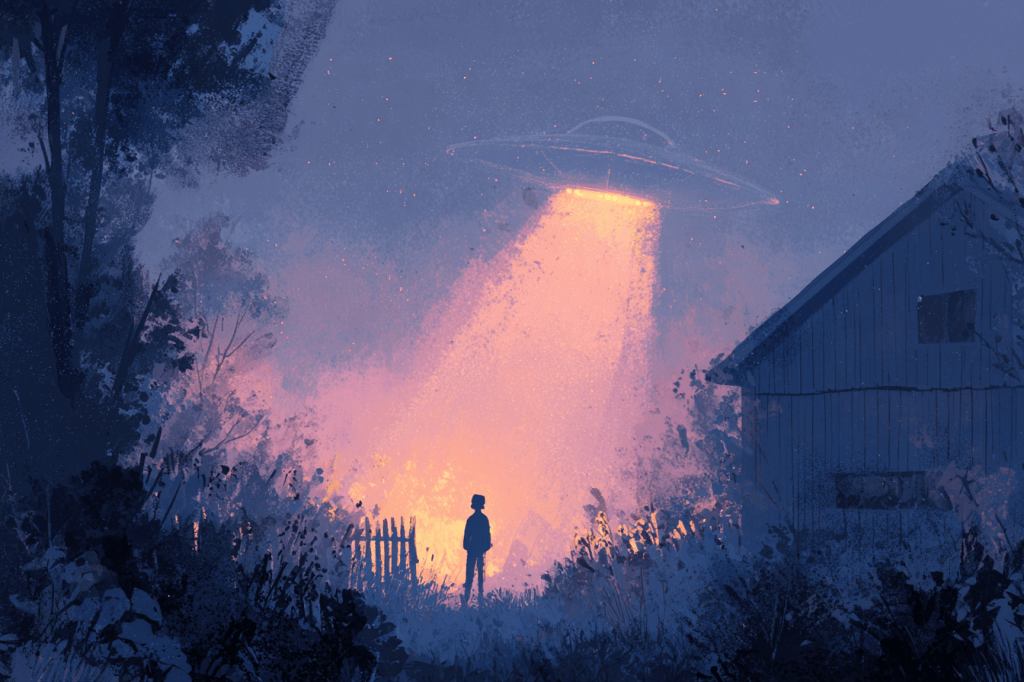
A storybook-style illustration of a person standing near a wooden fence, illuminated by the beam of a hovering UFO at twilight. A barn and overgrown grass surround the scene, evoking a classic alien encounter vibe.
When the UFO shows up right after bedtime… classic alien invasion vibes.

4. Alien Invasion, But Make It Personal

Alien invasions used to be all about spectacle, blasting landmarks, citywide chaos, and laser beams galore. But the trope has evolved. Now it’s often about survival, connection, and the deeply human moments that emerge when everything familiar goes sideways. By focusing on the personal, these stories make the intergalactic feel intimate.

Classic example? The War of the Worlds by H.G. Wells. While the alien invasion is global, the narrative sticks close to one man’s journey to reunite with his family and survive the chaos. It’s not just about destruction, it’s about disorientation, fear, and resilience.

Modern take? Arrival, directed by Denis Villeneuve. When aliens land, the story zeroes in on a linguist trying to communicate across species lines while wrestling with personal grief and existential questions. It’s cerebral, emotional, and deeply human beneath the sci-fi shell.


5. Dystopian Futures with Uncomfortably Familiar Governments

Dystopia isn’t just a mood; it’s a mirror… one that reflects the darkest corners of our current world and asks, “What if this got worse?” These stories are less about aliens and AI, and more about what happens when humanity loses its grip on freedom, privacy, and ethics. They’re warnings in narrative form.

Classic example? 1984 by George Orwell. A chilling portrait of surveillance, thought control, and the erasure of truth, Orwell’s vision of Big Brother remains one of the most iconic (and terrifyingly relevant) depictions of authoritarian control.

Another haunting vision? The Handmaid’s Tale by Margaret Atwood. Set in a theocratic dictatorship, it explores the systemic oppression of women and the slow, terrifying normalization of extremism. Atwood famously said she didn’t include anything that hadn’t already happened in real life and that’s what makes it so disturbing.


Final Thought: Tropes aren’t bad. They’re storytelling tools, and in science fiction, they let us explore deep human truths while also strapping jetpacks to our emotional baggage. The beauty of a trope is that it’s familiar, it sets expectations, creates instant emotional connection, and gives the reader a foothold in strange new worlds. That sense of recognition draws people in, making them more open to the wild, the weird, and the wildly weird. So embrace the trope. Twist it, flip it, or play it straight… just make it yours.


What sci-fi trope do you secretly (or not-so-secretly) love? Drop it in the comments… no judgment if it involves space pirates or sentient slime molds.