
Ah, writing. That noble art of bleeding onto the page, fueled by caffeine, chaos, and the occasional existential crisis. From the outside, it looks whimsical… typewriters, cozy cafés, and leather bound notebooks. But inside? It’s a swirling storm of self-doubt, wild imagination, and the eternal question: “Did I save that draft?”
Let’s pull back the curtain and talk about the truth. Here are the real challenges (and secret joys) of being a writer… with sass, sympathy, and a few cat hairs thrown in.
“What do you do all day?”
Let’s start with the classic. You tell someone you’re a writer and they either ask what your real job is or assume you spend your days sipping lattes and waiting for inspiration to arrive like it’s an Uber Eats order.
Reality: We’re researching medieval plumbing, rewriting the same paragraph for three hours, and emotionally recovering from a one-star Goodreads review we weren’t supposed to read (but totally did).
Also, our web browsing history could make the FBI blush and call in backup. Because yes, we needed to know how long it takes a body to decompose in a swamp and the tensile strength of spider silk. It’s called research, Karen.
Effect: Professional guilt. You always feel like you should be writing. Even at weddings. Even while sick. Even while binge-watching a show for research purposes.
Plot Bunnies Are Real (and They Bite)
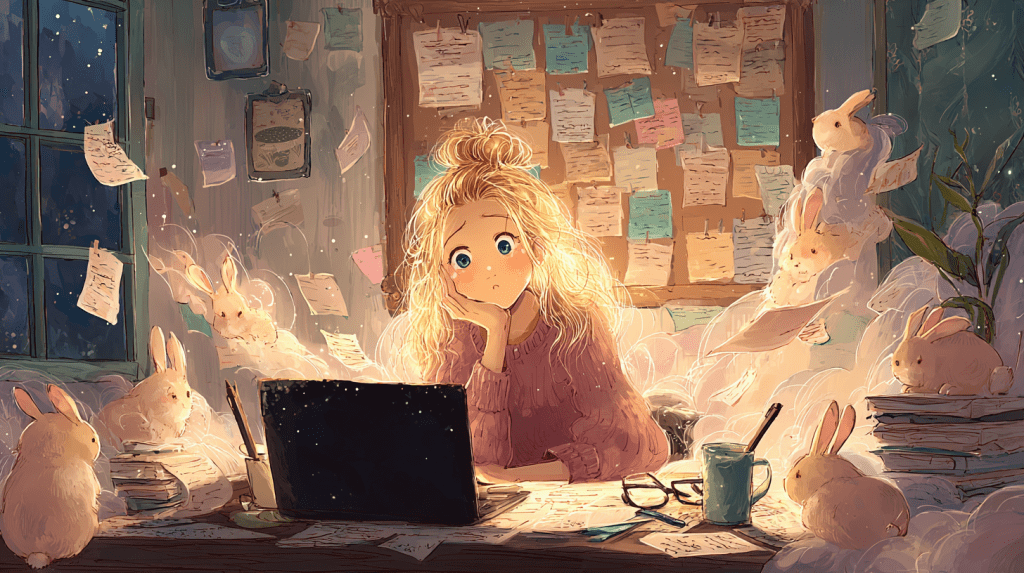
Writers don’t just have ideas, we have too many. They multiply like rabbits. You’ll be working on a serious piece of literary fiction, and suddenly your brain says, “What if dragons ran a bakery?” And just like that, your outline is on fire and your protagonist now has scales and a sourdough starter.
Effect: Chronic distraction. Also an ever-growing document labeled “Misc Ideas DO NOT OPEN.” (We open it. Every time.) Our desks are littered with notebooks that don’t fit in our bags, our purses carry pens like they’re talismans, and the walls are covered in slips of paper pinned with plot twists from three different stories… none of which we’re currently working on.
Your Personal Life? What Personal Life?
You cancel plans because you’re “on a roll” and then sit in front of your screen crying because the roll never showed up. You forget how to talk to non-fictional people. And if someone interrupts a good writing flow, may the muses have mercy on their soul.
Effect: Strained relationships with friends, partners, and delivery drivers who witness your descent into hoodie-clad madness. Your characters become your best friends. And yes, you’ve argued with them. Out loud.
On the flip side, the friends who stick around? They learn to never ask, “So how’s the writing going?” unless they’re prepared for an unsolicited, 20-minute download of plot drama, character profiles, and existential rants about timeline inconsistencies. Bless their patient, story-supporting hearts.
Pets Are Both Your Muse and Your Menace
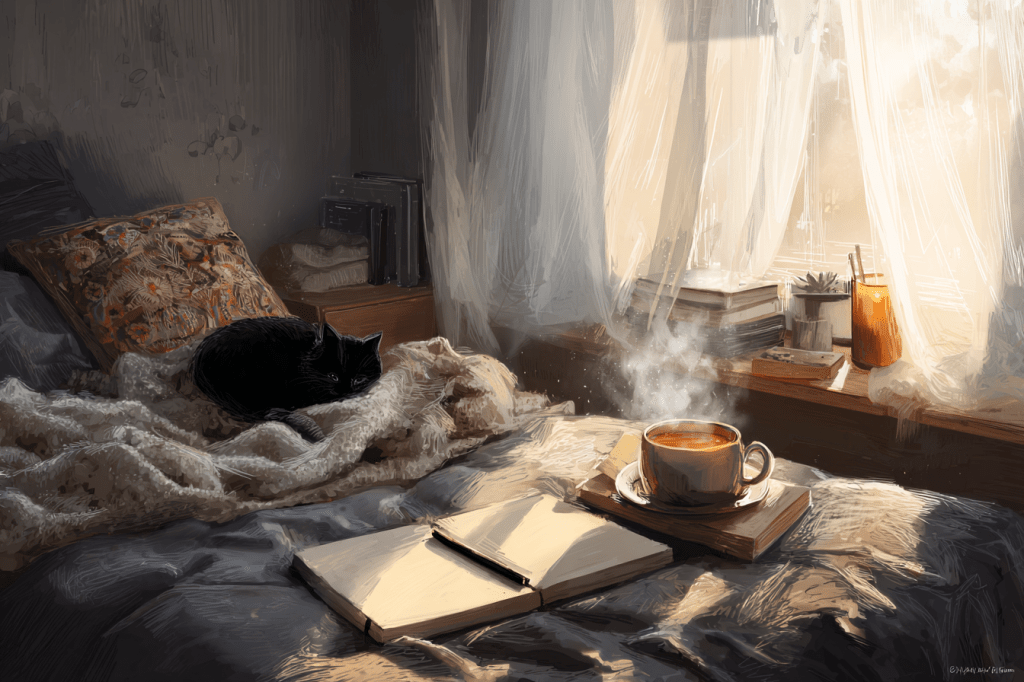
Cats will nap across your keyboard. Dogs will stare at you like you’ve betrayed them for not going outside. Ferrets will steal your pens. Your pet is either the reason you’re writing or the reason you haven’t written in three days.
Effect: 80% of your photos involve a sleeping animal and an open notebook. The other 20% are screenshots of something you wrote while being guilt-tripped by puppy eyes. And let’s be honest, more often than not, those furry freeloaders end up as characters or get cheeky references in your work. Every good writer has at least one fictional animal sidekick inspired by their real life chaos goblin.

That One Glorious Line Makes It Worth It
Despite the chaos, the imposter syndrome, the draft that looks like it was written by a sleep-deprived raccoon… there’s magic. That one sentence that lands perfectly. That reader who messages you to say your words meant something. That moment when your characters surprise you.
Effect: Pure, unfiltered joy. And the strength to open that doc again tomorrow. Of course, once the high wears off, the spiral begins: was that line really that good? Maybe it was too dramatic. Too subtle. Too much? You reread it twelve times, fight the urge to tweak it, and end up questioning your entire existence as a writer, again. But you leave it. For now.
Creative Burnout Is Real
Some days the words flow like a dream. Other days, your brain is cooked oatmeal and you can’t remember how dialogue even works. Burnout doesn’t show up with a flashing neon sign… it sneaks in with empty coffee mugs, excessive scrolling, and the sudden belief that every story idea you’ve ever had is garbage.
Effect: You start questioning everything, your talent, your plot, your life choices, and why you thought writing a 9-book fantasy epic was a good idea. You feel like a fraud with a to-do list.
Fix: Take a break. Go outside. Touch some grass (or at least your shower curtain). Creativity needs breathing room, and you are not a word producing machine. You are a weird, glorious human with a story to tell.
The Emotional Damage Is Self Inflicted
Yes, you cried writing that character death. No, you will not be taking constructive criticism at this time. Writing is vulnerability in Word Doc form, and it hits hard.
Effect: You mourn fictional people like they paid rent. You experience glee and rage and existential pain over scenes that no one else has even read yet. You reread your own emotional breakdowns just to see if you can make yourself cry again. (Spoiler: you can.) And let’s not forget the emotional chaos we gleefully inflict on our readers… laughing maniacally as we write their favorite character’s demise like some keyboard wielding goblin of heartbreak.
The Rewards Still Make It Worth It
For all the nonsense, there’s still nothing like it. That rush when a story clicks. That “aha!” moment when a plot twist hits just right. That email from a reader who got it.
Effect: Eternal hope. Delusional optimism. A burning need to keep doing it even when it makes no sense. Writing is messy, exhausting, and beautiful. Just like every good story.
Even when the plot’s gone rogue, the word count mocks you, and your characters are staging a coup, you still come back. You wrestle with self doubt, second guess your best lines, and rewrite the same sentence five different ways but you’re still here. Because something inside you knows that buried in the chaos is a spark worth chasing.
And when the spark catches? That’s where the magic lives. That’s what makes it worth every hair pulling, chocolate consuming, keyboard pounding moment.

Final Thought
Being a writer isn’t about sipping wine in Paris while wearing a beret (though if that’s your vibe, no judgment). It’s about showing up, putting words on the page, and laughing through the chaos. So embrace the pet hair, the imposter syndrome, and the 3 a.m. writing sprints.
You’re not alone. You’re just a writer.
What’s the most ridiculous thing you’ve researched for a story? Or what’s your favorite pet writing moment? Tell me in the comments!
 The Worlds of RG Newhouse